Unlock top-tier solutions with Kinverg’s expert services tailored to drive your success.
ISO 27001 is a widely recognized international standard that helps businesses manage their information security effectively. This standard provides a structured approach to establishing and maintaining an Information Security Management System (ISMS). Companies can identify risks and protect their data by following ISO 27001 standards. This will also help them demonstrate their commitment to security to clients and stakeholders.
Let’s explore the components of ISO 27001, its benefits, and how to achieve compliance.
What is ISO 27001?
ISO 27001 is an international standard for managing information security. It offers a framework for companies to protect their sensitive data from threats like cyberattacks and data breaches. The standard was developed by the International Organization for Standardization (ISO) and the International Electrotechnical Commission (IEC).
ISO 27001 was first introduced in 2005 and has since been updated to reflect the evolving security landscape. The most recent version was published in 2013, with minor updates in 2017. The standard is flexible and can be applied to businesses of all sizes and industries, from small startups to large enterprises.
At its core, ISO 27001 focuses on risk management. It requires businesses to identify potential security risks, assess their likelihood, and put appropriate security measures in place to mitigate them. This process ensures that organizations are proactive in securing their data and can respond quickly to emerging threats.
The Structure of ISO 27001
The ISO 27001 standard consists of two main components:
- Mandatory Clauses: The first part of ISO 27001 includes 11 clauses numbered from 0 to 10. Out of these, clauses 4 to 10 are required for a company to be ISO 27001 compliant.
- Annex A Controls: The latest version of ISO 27001 includes 93 security controls. Companies can choose from these controls to develop their security risk assessment. It is important to note that businesses only need to adopt the controls that are relevant to their specific operations.
Key Components of ISO 27001
ISO 27001 is built around several core components that help companies establish a strong information security framework. These components ensure that security is managed systematically for continuous improvement.
1. Information Security Management System (ISMS)
At the heart of ISO 27001 is the Information Security Management System (ISMS). This system is a set of policies, processes, and controls that guide how an organization protects its information. It helps businesses identify risks, apply security measures, and monitor their effectiveness. The ISMS is customized to fit the organization’s specific needs, making it flexible and scalable.
Risk Management
One of the key principles of ISO 27001 is risk management. Organizations are required to identify potential security risks and assess their impact. Based on this assessment, they can implement controls to reduce these risks. This proactive approach ensures that security is reactive and anticipates future threats.
Security Controls
ISO 27001 includes a detailed list of security controls in Annex A of the standard. These controls cover many areas, such as access control, encryption, physical security, and incident management. Organizations can choose the controls that best suit their needs, helping them address specific risks effectively.
Continuous Improvement
ISO 27001 promotes continuous improvement of the ISMS. Organizations must regularly review and update their security policies and controls to keep up with new risks and technologies. This ongoing process ensures that the organization’s security framework remains strong and up to date.
What Does It Mean to Be ISO 27001 Certified?
Being ISO 27001 certified means that a company has implemented an effective Information Security Management System (ISMS) that meets the requirements of the ISO 27001 standard. This certification demonstrates that the organization is committed to protecting sensitive information and systematically managing information security risks.
A business must undergo a thorough assessment by an accredited certification body to achieve this certification. This process involves evaluating existing security measures, identifying potential risks, and ensuring compliance with the standard’s guidelines.
Once certified, companies must maintain their ISMS through regular audits and reviews to ensure continued effectiveness. ISO 27001 certification enhances data security and builds trust with clients and partners, showing that the organization takes information security seriously.
The Three Principles of ISO 27001
The three principles of ISO 27001 work together to create a comprehensive framework for managing information security risks effectively.
- Confidentiality: This principle makes sure that sensitive information is accessible only to authorized individuals, protecting data from unauthorized access and disclosure.
- Integrity: Guarantees the accuracy and completeness of information. It prevents unauthorized modifications and ensures that data remains reliable and trustworthy.
- Availability: This principle ensures that information and systems are accessible and usable when needed. It focuses on minimizing downtime and ensuring that resources are always available to authorized users.
These three principles work together to create a comprehensive framework for managing information security risks effectively.
Benefits of Implementing ISO 27001
Implementing ISO 27001 offers several important benefits for companies. Here are some key reasons why you should consider adopting this standard:
1. Enhanced Security
ISO 27001 helps organizations identify and manage their information security risks. Following its guidelines, you can develop a comprehensive security strategy that protects sensitive data from threats like cyberattacks and data breaches. This proactive approach reduces the likelihood of incidents that could harm your organization.
2. Compliance with Regulations
Many industries have strict regulations regarding data protection. ISO 27001 can help you meet these legal requirements. Adopting the standard demonstrates that you take information security seriously, which can help avoid fines and penalties associated with non-compliance.
3. Increased Customer Trust
Achieving ISO 27001 certification shows your customers and stakeholders that you prioritize their data security. This can enhance your reputation and build trust so the clients choose your services over competitors. Trust is important when data breaches can lead to reputational damage.
4. Improved Risk Management
ISO 27001 encourages a systematic approach to risk management. By regularly assessing and addressing risks, you can better understand potential threats to your organization. This ongoing evaluation helps you stay ahead of emerging security challenges and adapt your strategies accordingly.
5. Competitive Advantage
Having ISO 27001 certification can set your organization apart from competitors who may not have such credentials. It demonstrates a commitment to high standards in information security, which can be a deciding factor for clients when choosing between service providers.
Steps to Achieve ISO 27001 Certification
Achieving ISO 27001 certification is a step-by-step process that helps organizations establish and maintain strong information security practices.
Here is an overview of the key steps involved:
1. Initial Assessment and Gap Analysis
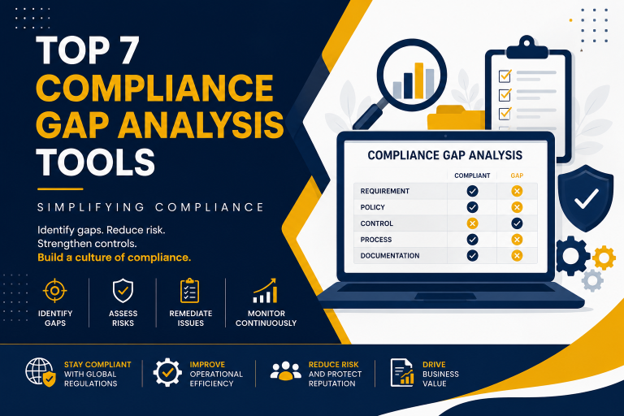
The first step is to evaluate your current information security practices. This involves conducting a gap analysis to compare your existing security measures against the ISO 27001 requirements. The analysis helps identify areas for improvement.
2. Developing an ISMS
Next, you must develop an Information Security Management System (ISMS). This includes creating security policies and controls to manage information risks. The ISMS should be tailored to your company’s needs and security challenges.
3. Conducting Internal Audits
Before applying for certification, it’s essential to perform internal audits. These audits help ensure that your ISMS is functioning as intended and that all security controls are in place. Any gaps or issues identified should be addressed before moving forward.
4. Management Review
Once the internal audits are complete, senior management must review the ISMS. This step ensures that leadership is fully informed about the security risks and measures in place. Management involvement is critical for gaining certification.
5. Certification Audit
Your organization can apply for the certification audit after the ISMS is fully implemented and reviewed. An external auditor will assess your ISMS to confirm that it meets ISO 27001 standards. The audit typically takes place in two stages: a document review and an on-site assessment.
6. Maintaining Certification
ISO 27001 certification is not a one-time process. Organizations must continuously improve their ISMS and undergo regular surveillance audits to maintain it. These audits ensure that your security measures remain effective and up to date.
By following these steps, your organization can achieve ISO 27001 certification and demonstrate a strong commitment to information security.
Take the Next Step Towards Data Security with kinverg!
ISO 27001 is an important standard for organizations looking to enhance their information security management. The structured approach of ISO 27001 helps identify and manage risks and promotes continuous improvement in security practices.
Are you ready to enhance your organization’s information security management? kinverg offers tools to ease compliance management with ISO 27001 and other important standards. Our solutions help you easily manage your security controls, conduct risk assessments, and protect your data.
Don’t wait until it’s too late—start building a strong security foundation today! Visit ComplyNexus to learn how our platform can help you achieve ISO 27001 compliance and safeguard sensitive information. Your journey towards better data security begins now.