Why 2026 Will Kill Annual Audits and What Comes Next
For years, annual audits have been treated as the ultimate benchmark of organizational trust. Teams prepare for months, auditors validate evidence at a fixed point in time, and leadership receives a report declaring compliance achieved. This cycle has long been accepted as the standard approach to governance and assurance.
However, the environment in which modern organizations operate has fundamentally changed. Digital transformation, cloud adoption, global supply chains, and emerging technologies have accelerated the pace at which risk evolves. By 2026, relying solely on annual audits will no longer be sufficient to demonstrate trust, resilience, or control maturity. Compliance is shifting from a periodic event to a continuous capability.
Why Annual Audits Are Failing Modern Organizations
Annual audits were designed for environments where systems were stable, operational change was limited, and risks evolved incrementally. That reality no longer exists.
Organizations today operate across cloud environments, SaaS platforms, distributed workforces, third party ecosystems, and AI driven technologies. Systems are updated frequently, vendors change continuously, and data flows expand across borders. Controls that were effective six months ago may already be misaligned with current risks.
A point in time audit can only confirm compliance for a specific moment. It does not reflect how controls perform across the remainder of the year, precisely when most security incidents and compliance failures occur.
As a result, leadership receives an audit report that signals compliance, while underlying risks may be accumulating silently. For senior cybersecurity leaders, this disconnect between reported assurance and real operational exposure is increasingly unacceptable.
Why Annual Audits Are Failing Modern Organizations
Annual audits were designed for environments where systems were stable, operational change was limited, and risks evolved incrementally. That reality no longer exists.
Organizations today operate across cloud environments, SaaS platforms, distributed workforces, third party ecosystems, and AI driven technologies. Systems are updated frequently, vendors change continuously, and data flows expand across borders. Controls that were effective six months ago may already be misaligned with current risks.
A point in time audit can only confirm compliance for a specific moment. It does not reflect how controls perform across the remainder of the year, precisely when most security incidents and compliance failures occur.
As a result, leadership receives an audit report that signals compliance, while underlying risks may be accumulating silently. For senior cybersecurity leaders, this disconnect between reported assurance and real operational exposure is increasingly unacceptable.
Audit Fatigue Is Real
Compliance teams often spend months preparing for audits, collecting evidence from spreadsheets, shared drives, emails, and disconnected systems. The same artifacts are repeatedly requested across ISO 27001, SOC 2, internal audits, customer assessments, and regulatory reviews.
This leads to burnout across compliance, IT, and security teams, repeated evidence requests for overlapping requirements, and disruption to core business operations. By the time the audit is completed, the organization is often operating differently than what was assessed.
Audit preparation becomes a recurring fire drill rather than a value adding governance activity.
Customers and Regulators Demand Proof Not Promises
Enterprise customers and regulators are also raising their expectations. A certificate issued months ago is no longer enough to establish trust.
For frameworks such as SOC 2, ISO 27001, and emerging AI governance standards, buyers expect organizations to demonstrate that controls are operating effectively today, not last quarter or last year. Due diligence has shifted from static documentation to ongoing assurance.
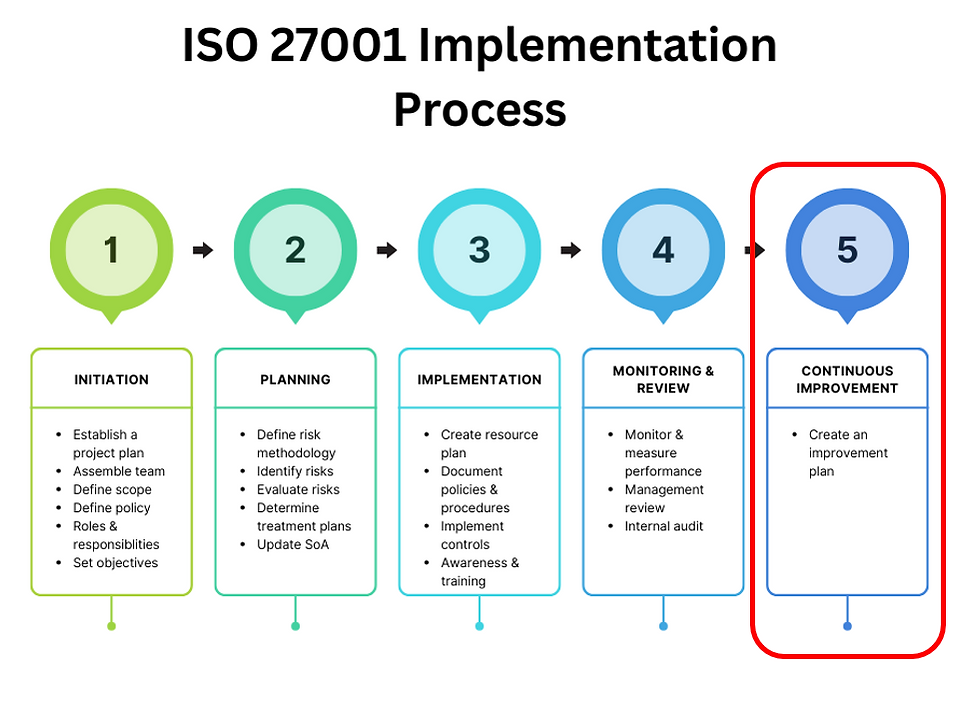
In regulated and global markets, trust is no longer defined by having passed an audit, but by the ability to demonstrate control maturity at any time.
The Shift From Annual Audits to Continuous Compliance
What is replacing annual audits is not simply more frequent assessments, but a fundamentally different approach based on continuous compliance and real time assurance.
Continuous compliance embeds governance, risk management, and control monitoring into daily operations. Instead of preparing for audits once a year, organizations remain audit ready at all times. Controls are monitored continuously, risks are assessed as they emerge, and evidence is collected as part of normal business processes.
Audits do not disappear under this model. They become validations of an already well governed environment rather than disruptive evidence gathering exercises.
How Compliance Operates in a Continuous Model
Controls are no longer reviewed manually once a year. They are monitored continuously through systems, dashboards, and alerts that highlight gaps as they occur. This allows teams to remediate issues early, before they escalate into audit findings or security incidents.
Centralized evidence replaces scattered spreadsheets and documents. Policies, control ownership, risk assessments, audit evidence, and logs are maintained in a single system of record. This reduces duplication, lowers dependency on individuals, and significantly shortens audit preparation cycles.
Audits evolve from checklist driven exercises into risk focused evaluations. High risk areas receive deeper scrutiny, while lower risk controls are monitored continuously with a lighter operational burden. This aligns assurance activities with real business risk rather than compliance formalities.
The Role of Automation and GRC Platforms
Automation is the key enabler of continuous compliance. Manual processes cannot scale in complex digital environments.
Whereas modern GRC platforms centralize controls, risks, assets, audits, and evidence into a single source of truth, automation enables continuous control monitoring, automated evidence collection, and real time visibility for leadership. This reduces human error, minimizes operational disruption, and allows security leaders to make informed decisions based on current risk data rather than historical reports.
Platforms such as ComplianceMachine.ai are designed to support this transition by helping organizations manage multiple compliance frameworks, maintain audit readiness, and align leadership, compliance, audit, and operations around a shared view of governance and risk. By integrating controls, assets, risks, audits, and notifications into one platform, ComplianceMachine.ai enables organizations to move from reactive audits to proactive, continuous assurance.
Learn more at 👉 https://www.compliancemachine.ai
For ISO 27001-aligned organizations, this approach creates a living ISMS that reflects the actual state of risk and control effectiveness at any given moment.
Third Party and AI Risks Will Accelerate the Shift
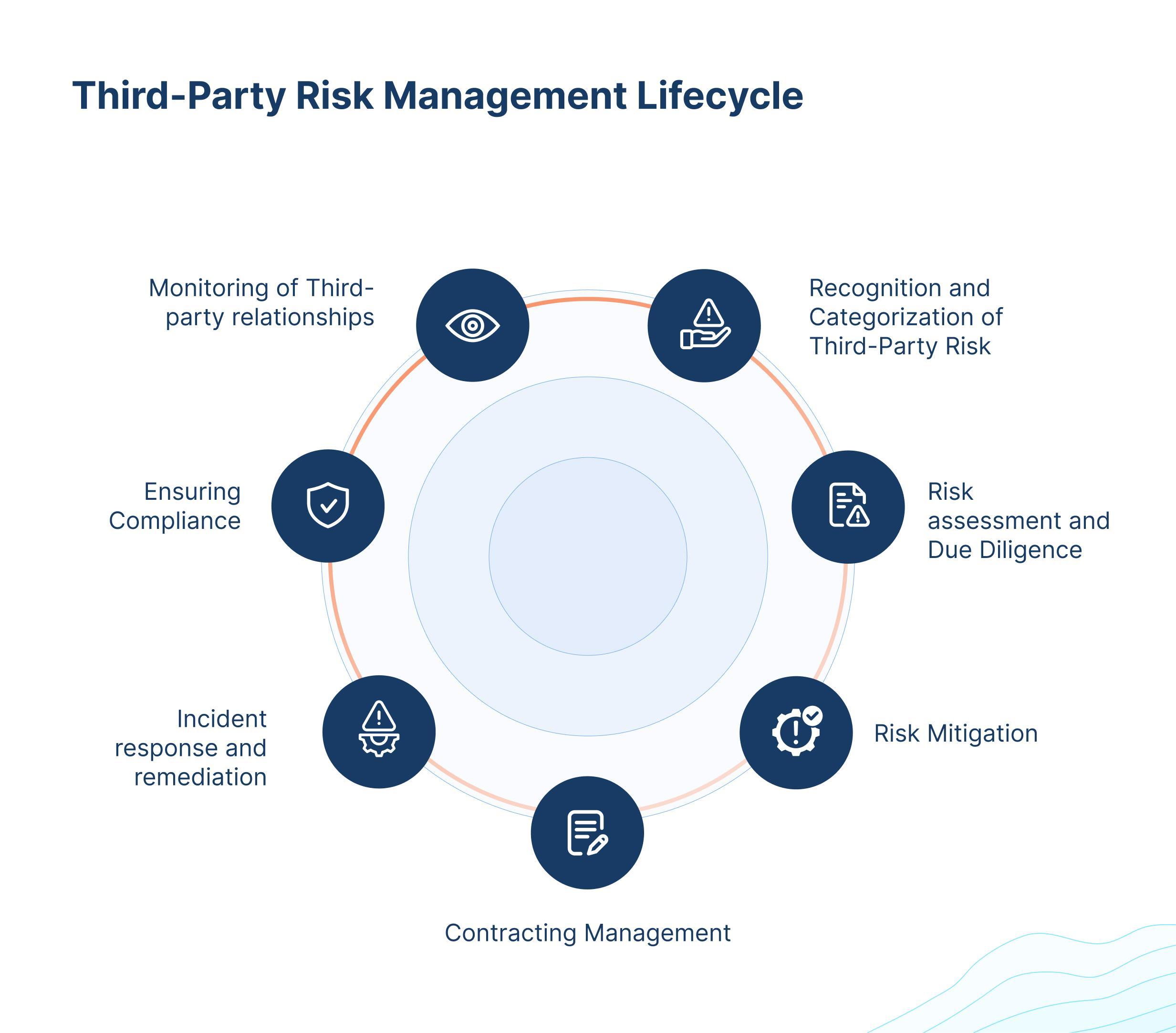
Organizations increasingly rely on vendors, cloud providers, and outsourced services. A single third party breach can undermine years of internal compliance effort. Annual vendor assessments are insufficient in an environment where suppliers continuously change their systems and risk posture.
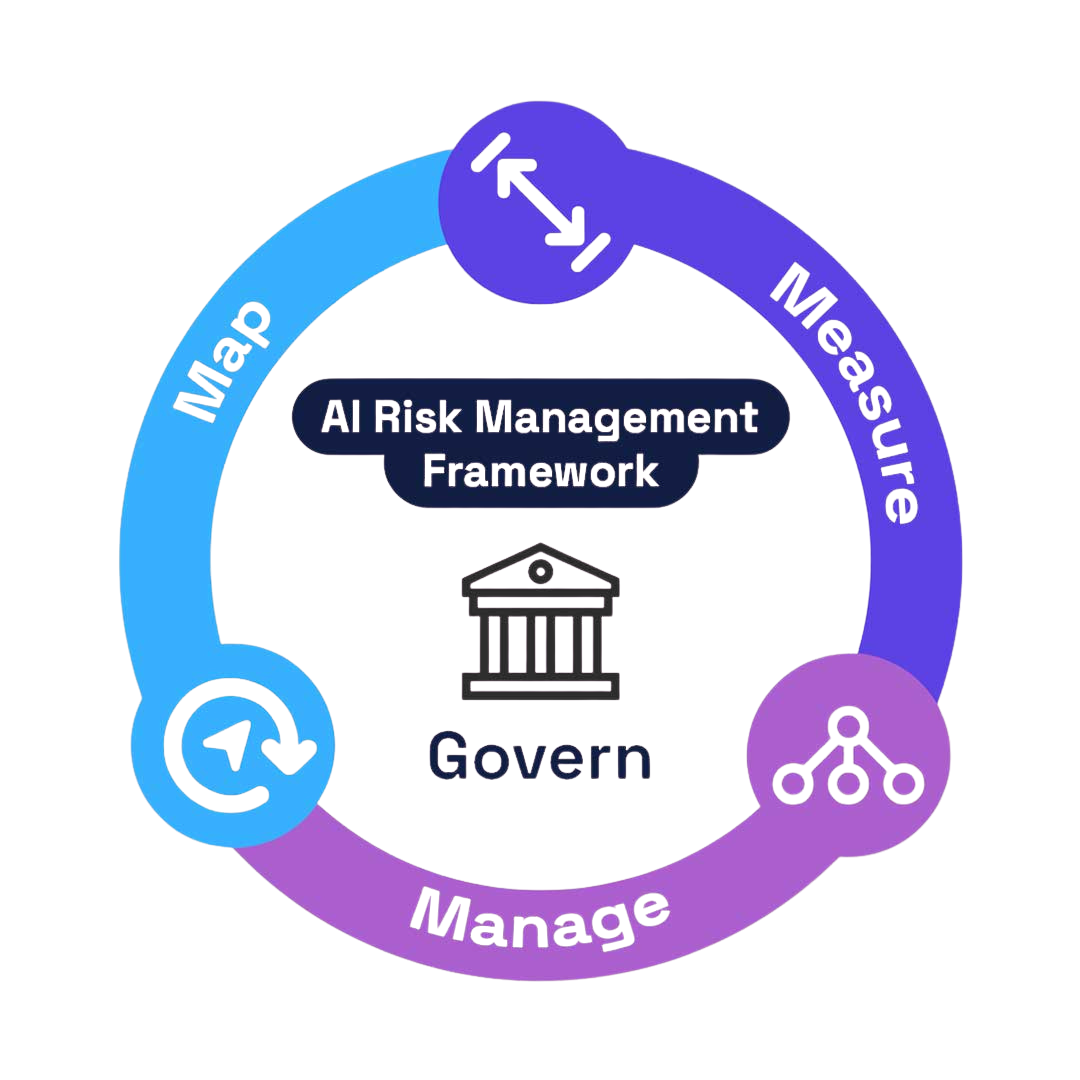
Similarly, the rise of AI is introducing new risks every day, some of which include model governance, data integrity, explainability, ethical use, and regulatory exposure. These risks cannot be effectively managed through annual assessments alone. They require continuous oversight, adaptive controls, and ongoing governance.
The 2026 Reality Compliance as a Business Capability
By 2026, organizations will be judged not on whether they passed an audit, but on whether they can continuously demonstrate trust.
Organizations that adopt continuous compliance will benefit from faster enterprise deal cycles, lower audit and compliance costs, reduced regulatory and operational risk, and stronger credibility with customers and partners. Those that rely solely on annual audits will increasingly find themselves reactive, responding to incidents and regulatory findings after damage has already occurred.
Conclusion Annual Audits Are No Longer Enough
Annual audits are not disappearing entirely, but they are no longer sufficient on their own. They are becoming one component of a broader, continuous compliance strategy.
The future belongs to organizations that treat compliance as an ongoing capability embedded into systems, processes, and culture. In a digital economy where trust must be earned every day, continuous compliance is no longer optional. It is the new standard.
Unlock top-tier solutions with Kinverg’s expert services tailored to drive your success.